


Why Choose Us
Our Product
Commercial ice maker\portable ice makers\automatic ice maker\gourmet ice maker\ice maker
24H Online Service
We try and respond to all concerns within 24 hours and our teams are always at your disposal in case of any emergencies.
Our Service
We respect your feedback after you received the goods. We provide 3-year warranty for core components and 12-month warranty
for the whole unit. We will respond to your complaint within 24 hours.
Our Advantages
With the optimized one-stop manufacturing service team and the spirit of paying attention to detail, we have achieved a unique service quality and ensured the continuous improvement of user satisfaction.
What is Residential Ice Maker
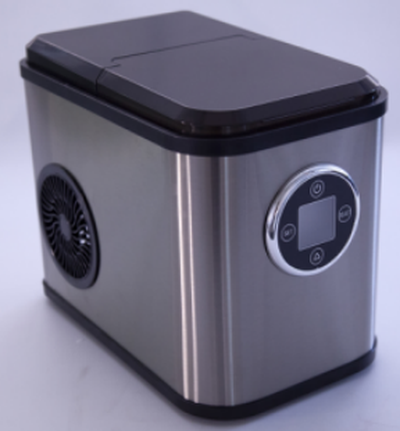
Residential ice makers come in countertop sizes, for easy, convenient placement in any kitchen. They're portable and small enough to fit on any counter or serving table, with no installation or water hookups required. Most countertop ice makers can produce a batch of ice ready to serve in as little as 20 minutes.


Advantages of Residential Ice Maker
Fast ice making, multiple flavors available
Residential ice makers can quickly make ice cubes and ice balls in a variety of flavors that can satisfy different people's tastes. Cool ice can make summer drinks more refreshing, and delicious ice balls can be used to make a variety of cocktails and other drinks, DIY at home is also very convenient.
Energy saving, environmental protection and health
Compared with the traditional way of making ice, residential ice maker can be more energy-saving, while reducing the carbon dioxide emissions in the process of making ice, thus contributing to environmental health. And residential ice maker is also made of food-grade materials, which can ensure the health and safety of ice.
Hygienic and convenient, simple operation
The operation of residential ice maker is very simple, only need to put water or other liquids to make ice. And the ice-making process is completely closed, reducing the possibility of external contamination, ensuring the purity of the ice and health and safety. At the same time, the volume of residential ice maker is relatively small, can be placed in the family kitchen and other convenient places, convenient and practical.
Multi-scene application, convenient life
Home ice machine can not only meet the needs of daily life, such as chilled drinks, cool fruits, etc., but also can be used for gatherings, parties and other occasions, to bring guests a more comfortable and convenient dining experience. Whether it's a home or a commercial establishment, home ice machines can be used to enhance the quality of life and user experience.
Principle of Residential Ice Maker
The working principle of a residential ice maker is mainly based on the operation of a refrigeration system, whereby the temperature of water is lowered through the process of evaporation and condensation of a refrigerant in an evaporator to create ice cubes. Specifically, residential ice makers usually use compression refrigeration technology, which works roughly as follows:

Water circulation and spraying
Through a replenishment valve, water automatically enters a water reservoir. Through a flow control valve, the water is pumped to a manifold head, where it is evenly sprayed onto the surface of the ice maker, flowing through the walls of the ice maker like a curtain of water. The water is cooled to the freezing point and the water that has not been frozen by evaporation will flow through the porous tank into the water storage tank to restart the cycle of operation.

Refrigeration process
When the ice reaches the desired thickness (thickness can be selected by the operator), the hot gas discharged from the compressor is redirected back into the walls of the ice maker, replacing the low-temperature liquid refrigerant. This creates a film of water between the ice and the evaporator tube wall, which acts as a lubricant when the ice falls freely by gravity into the trough below. The water produced during the ice harvesting cycle is returned to the water reservoir through the porous slot, which at the same time prevents wet ice from being discharged from the machine.
Compressor operation
Compressor operation after suction, compression, exhaust, condensation that is liquefied, throttling, and then in the evaporator to -10 to -18 degrees Celsius of low-temperature evaporation of heat absorption vaporization, chilled water in the 0 degrees Celsius of the water temperature is constantly in the evaporator surface at lower temperatures condensed into ice.
Residential Ice Maker Operation Process
Preparation stage: First, make sure the ice maker is placed on a smooth surface and connected to the power cord. If it is the first time to use, you should first clean the inside of the ice machine to ensure that there are no impurities affecting the ice-making effect.
Water Filling Stage: Open the lid of the ice maker, take out the ice storage box or basket (if available), and then add fresh water through the water filling port to the standard scale line. Be careful not to exceed the mark so as not to affect the ice making effect.
Start the ice making: Put the ice storage box or basket back to its original position, cover the lid and then turn on the power. Long press the on/off key or select the corresponding ice making mode (such as big ice or small ice) to start the ice maker. The ice maker will automatically start the ice making process.
Ice Removal Phase: After each round of ice making time, there will be a de-icing process. It is recommended to pick up the ice after the countdown to the next round of ice making begins, at which time you can pull out the ice storage box or basket to remove the ice.
Cleaning and maintenance: Clean the evaporator and condenser inside the ice maker regularly to ensure proper operation and prolong service life. Use the cleaning function provided by the ice maker for automatic cleaning as needed.
END USE: After use, the power can be disconnected and unplugged. If it is not used for a long time, the water tank should be emptied to prevent freezing and damaging the ice maker.
The Use of Residential Ice Maker
Check the equipment: Before using, you should check whether the various equipment of the ice maker is normal, such as power supply equipment, water storage tank water flow, etc.
Add water: Place the ice maker in a stable place and insert the prepared pure water into the water inlet pipe of the ice maker. The water will automatically enter the water storage tank of the ice maker.
Power connection: Plug in the ice maker's power supply and the ice maker will begin to work. The centrifugal water pump runs to pump the water from the storage tank into the refrigeration zone to begin the refrigeration process.
Ice Making Mode Selection: Select the ice making mode as required, e.g. ice cubes or crushed ice. Once selected, the corresponding icon will light up.
Waiting for Ice Making: When making ice for the first time, you need to wait for 10 hours. When ice making is complete, you can remove the ice cubes or ice water.
Cleaning and Maintenance: Clean the evaporator and condenser inside the ice maker regularly to ensure its normal operation and prolong its service life.
Caution: When the ice making function and ice water are not used for a long time, it is recommended to cancel the ice making and turn off the water source.
Does the Ice Maker Water Need to Be Replaced Frequently
Ice machine water needs to be replaced frequently, the replacement frequency depends on the use of the environment and the length of time, it is generally recommended to replace every 3-6 months.
Impact of water quality
The ice-making principle of the ice machine is through the water to the condenser for refrigeration, so that the water gradually solidified into ice. If the water is used for too long, the water quality will deteriorate and produce odor and dirt, which will affect the ice-making effect of the ice maker. Therefore, it is very necessary to replace the water of the ice machine frequently.
Determination of replacement frequency
The frequency of replacing the water of the ice machine depends on the use environment and the length of time. If the use of time is relatively short, you can extend the interval between the replacement of water, generally recommended to be replaced every 3-6 months.
Method of replacing water
① Turn off the power and water supply of the ice maker.
When replacing the water in the ice maker, the power and water source must be turned off first to ensure safety.
② Drain the old water
After turning off the power and water, drain the old water from the ice machine. Special care needs to be taken not to get the appliance wet during the discharge process.
③ Cleaning the water tank
When cleaning the water tank, you need to use soapy water and a clean cloth to wipe the inside and outside of the tank with soapy water and make sure there are no water stains or debris. After cleaning, rinse thoroughly with water.
④ Add new water
After cleaning the tank, you need to add new water. Before adding water, make sure the water is clean. Under normal circumstances, tap water can be used, but if the water quality is poor, it is necessary to use filtered water to remove dirt to add.
Precautions for Using a Residential Ice Maker
When using a residential ice maker, there are a few important precautions to follow to ensure proper operation and longevity:
Before using for the first time, you should read the manual carefully to understand the functions of each part of the ice machine and how to operate it.
The ice machine should be placed on a solid and level ground, and keep it horizontal. Avoid placing it in the open air or under the direct sunlight, in order to prevent affecting the heat dissipation and ice-making effect.
Ensure the use of drinking water that meets national standards, and install filtration devices to prevent clogging. The power supply should use independent sockets and ensure reliable grounding, equipped with fuses and leakage protection switches.
There should be no heat source around the ice machine, maintain a well ventilated environment, and the surrounding temperature should preferably not exceed 30 degrees, so as not to affect the heat dissipation of the condenser.
Clean the ice maker regularly, including the water inlet valve filter, water pipe, water tank and condenser, etc., to prevent clogging and affect the effect of ice making. When not in use, it should be cleaned and placed in a ventilated and dry place.
Use water sources that meet local drinking water standards and install filters to remove impurities in the water. Regularly turn on the head of the water inlet hose to clean the water inlet valve filter to avoid clogging.
In addition to daily cleaning, the ice machine cleaner and disinfectant should be used regularly to clean and disinfect the water distribution pipes, sinks, storage refrigerators and water baffles.
It should be handled carefully and gently, avoiding violent vibration. When it is not used for a long time, it should be cleaned and dried with hairdryer to dry the ice mold and the water inside the box, and put in a place without corrosive gas and ventilated and dry.
Our Factory
Founded in 2008, Jiangsu linya Technology Co., Ltd. is a modern enterprise that introduces advanced Italian technology and specializes in the production of ice machines. The company now has a modern industrial park base and an industry-leading production line of ice machines.


Certificate


FAQ
As one of the most professional residential ice maker manufacturers and suppliers in China, we're featured by quality products and competitive price. Please rest assured to buy or wholesale the best residential ice maker for sale here from our factory.