


↵
Why Choose Us
Our Product
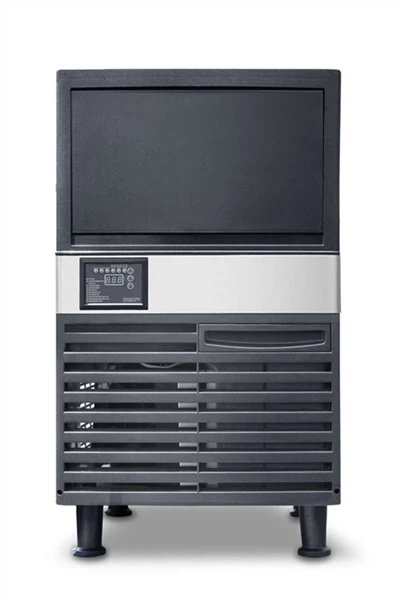
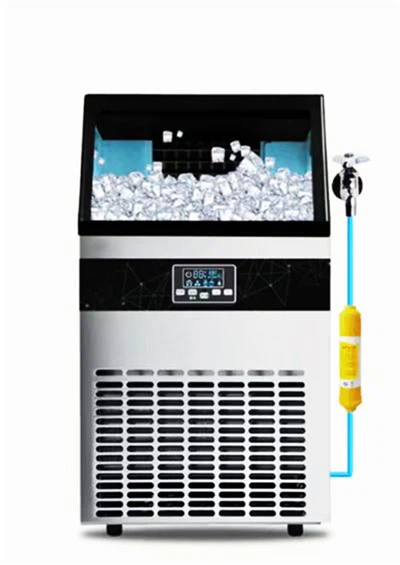
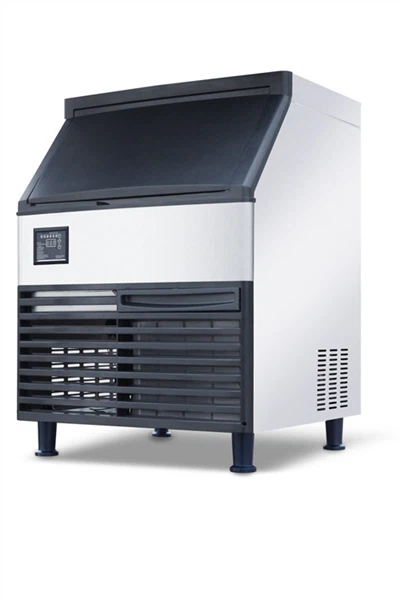
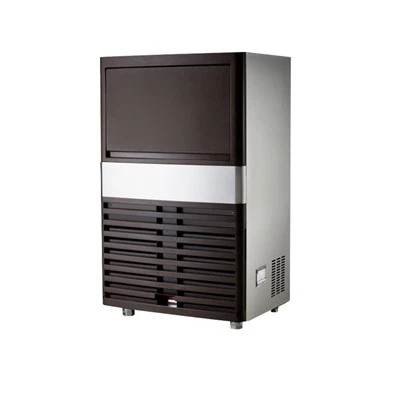
Commercial ice maker\portable ice makers\automatic ice maker\gourmet ice maker\ice maker
24H Online Service
We try and respond to all concerns within 24 hours and our teams are always at your disposal in case of any emergencies.
Our Service
We respect your feedback after you received the goods. We provide 3-year warranty for core components and 12-month warranty
for the whole unit. We will respond to your complaint within 24 hours.
Our Advantages
With the optimized one-stop manufacturing service team and the spirit of paying attention to detail, we have achieved a unique service quality and ensured the continuous improvement of user satisfaction.
What is Cube Ice Maker
Cube ice maker is one kind of ice machine, the ice produced is the largest form size among the ice products, the contact area with the outside world is small, and it is not easy to melt. It can be crushed into various forms of ice according to different requirements. It is suitable for ice sculpture, ice storage sea transportation, sea fishing and so on. After crushing, it can be used in all places that use ice. However, the ice will be partially melted after crushing and the amount of ice is lost. Ice can be divided into transparent ice, milky white ice and colored ice.




The Benefits of Cube Ice Makers
Consistent ice production
These machines generate a constant supply of ice throughout the day, ensuring you always have enough to meet demand.
Enhanced productivity
Cube ice makers save you time and labor by eliminating manual ice tray filling and emptying or the need to purchase bagged ice from external sources.
Cost efficiency
These machines lower operating expenses by using less water and electricity than other industrial ice makers while offering a longer lifespan and reduced maintenance costs.
Minimized waste
Cube ice makers help minimize ice melting or clumping, resulting in less waste and more usable ice.
Factors to Consider When Choosing an Cube Ice Maker
1. Ice production capacity
Ice production capacity refers to the quantity of ice the machine can produce in 24 hours. Choose a device capable of meeting your peak demand with some additional buffer. Cube ice maker production capacities range from 20 kg to 1000 kg daily. When assessing your ice production needs, consider factors such as the size of your establishment, customer volume, and peak business hours to ensure you select an appropriate machine.
2. Ice cube size and shape
The size and shape of the ice cube depend on your preferences and industrial ice machine applications. Cube ice makers can produce various sizes and shapes of ice cubes, such as entire cubes, half cubes, crescents, bullets, gourmet, and more. The size and shape of the ice cubes affect their melting rate, cooling effect, and appearance. To determine the ideal ice cube size and shape, evaluate the intended use of the ice, whether it’s for beverages, food preservation, or presentation purposes, and how quickly the ice needs to melt or maintain its form.
3. Storage capacity
Storage capacity pertains to the quantity of ice the machine can store in its bin or dispenser. Choose a machine with enough storage capacity to hold the amount of ice you need at any given time. Cube ice maker storage capacities range from 10 kg to 500 kg. To choose the appropriate storage capacity, consider your daily ice usage and the frequency at which you’ll replenish the ice supply. Additionally, consider the available space in your establishment, as larger storage capacities may require more floor space or larger bins.
4. Energy efficiency
Energy efficiency refers to the machine’s electricity consumption per kilogram of ice produced. When searching for an industrial icemaker for sale, consider models with high energy efficiency ratings and certifications to minimize your machine’s impact on the environment and your budget. Opt for a machine with a high energy efficiency rating to save on utility bills and reduce environmental impact. Cube ice maker energy efficiency varies depending on the model and brand.
5. Noise level
This refers to the loudness of the machine during operation. Choose a low-noise level device to avoid disturbing customers and staff. The noise level of cube ice makers depends on the size and design of the machine. Remember that larger machines may generate more noise due to the increased power required for production. To mitigate noise levels, consider the installation location and any potential noise-reducing measures, such as insulation or soundproofing materials.
6. Ease of maintenance
Ease of maintenance pertains to how easily the machine can be cleaned and serviced. Choose a device with simple, accessible components like filters, valves, and pumps that can be quickly removed and replaced. Also, opt for a machine with indicators or alarms that alert you to issues or maintenance needs. Regularly maintaining your ice machine ensures optimal performance and hygiene and can help extend its lifespan and reduce the likelihood of breakdowns. When selecting a device, look for models with user-friendly maintenance procedures and clear instructions provided by the ice making machine manufacturer, and consider the availability of replacement parts and service professionals in your area.
Cube Ice Maker Machine Principle

Refrigeration circulation system
The refrigeration circulatory system of the cube ice maker usually consists of a compressor. Condenser. Expansion valve and evaporator four parts. The basic principle is similar to household air conditioner, the difference is that air conditioner generally uses air as the work material, while the ice cube making machine uses refrigerant as the work material.
① Compressor: The refrigerant is compressed into a high-temperature, high-pressure gas, so that it has enough energy into the condenser.
② Condenser: Refrigerate the high temperature and high pressure gas and condense it into high pressure liquid, and the heat released is transferred to the surrounding environment.
③ Expansion valve: Expands the high pressure refrigerant liquid into a low temperature and low pressure liquid and gas mixture, thus reducing the temperature and pressure.
④ Evaporator: The low temperature and low pressure liquid and gas mixture through the heat exchanger gradually warms up and evaporates, thus absorbing the heat of the surrounding environment to achieve the purpose of refrigeration.

Ice-making system
Ice making system is the core component of cube ice maker, its principle is to use the refrigeration circulatory system to cool the water below the freezing temperature, through the condenser in the ice maker to freeze the water gradually, the ice cube is gradually increased, and ice cubes are formed eventually.
There are several types of common cube ice makers as follows:
① Hanging cube ice maker: Suitable for occasions smaller. Hanging cube ice maker: suitable for small occasions, not high requirements of the place, the ice production speed is slow.
② Homemade ice machine: More common in home use, also applies to less strict commercial occasions.
③ Commercial Ice Maker: Can be categorized into food grade and beverage grade, suitable for restaurants and hotels with high requirements for sanitary environment and energy saving. It is suitable for restaurants, hotels and other places with higher requirements for sanitary environment and energy saving.
④ Industrial cube ice maker: Suitable for large commercial enterprises and industrial manufacturing industry, which can produce a large amount of ice cubes for manufacturing and refrigeration.
What Are the Components of the Cube Ice Maker Machine?
Refrigeration system: The refrigeration system is the core part of the cube ice maker, which takes away the heat through refrigerant to make ice cubes.
Compressor: Compressor is the device which compresses the refrigerant to increase the refrigeration efficiency.
Condenser: Condenser is the device that cools the refrigerant and releases the heat.
Evaporator: The evaporator is the device that evaporates the refrigerant in order to release the heat.
Control system: The control system is the control center of the ice cube making machine, which detects the parameters such as temperature and pressure of the refrigerant through the sensors and adjusts the working condition of the refrigeration system according to these parameters to ensure the quality and efficiency of the ice cubes produced.
Cube Ice Maker Installation
After purchasing the ideal ice making machine for sale, follow the recommended installation and maintenance procedures to ensure the engine operates efficiently and lasts for years.
Before installing your cube ice maker, prepare by following these steps:
1. Select a suitable location for your machine, away from direct sunlight, heat sources, dust sources, and corrosive substances. Ensure adequate space for ventilation and drainage.
2. Verify your machine’s electrical requirements, ensuring they match your power supply’s voltage, frequency, and amperage. You may need to install a dedicated circuit breaker or fuse for your machine.
3. Check your machine’s water supply and drainage requirements. Ensure access to clean, potable water with adequate pressure and flow rate. You may need to install a water filter or softener to prevent scale buildup or contamination. Connect your machine to a drain pipe or floor drain with an air gap or backflow preventer to avoid water backflow or flooding.
4. Assemble and test your machine according to the ice making machine manufacturer’s instructions. Adjust the ice cube size and shape, ice harvest time, and bin level sensor as needed. Flush the water system and sanitize the ice bin before using your machine.
Cube Ice Maker Maintenance
To keep your cube ice maker in optimal condition and ensure peak performance, perform regular maintenance, such as:
Cleaning
Clean your machine at least once every six months or more frequently depending on water quality and usage. Follow the manufacturer’s instructions for cleaning the ice making system, ice bin, condenser, and exterior. You may need to use a specialized cleaner or sanitizer for your machine.
Sanitizing
Sanitize your machine at least once every six months or more frequently, depending on water quality and usage. Follow the manufacturer’s instructions for sanitizing the ice making system and bin. You may need to use a specialized sanitizer for your machine.
Ensuring proper ventilation
Ensure your machine has sufficient clearance and airflow to prevent overheating and reduce energy consumption. Avoid blocking the machine’s vents or fans with objects or dust, and clean the vents or fans regularly to remove dirt or debris.

Precautions for the Use of Cube Ice Maker
• Well ventilated: Place the cube ice maker in a well-ventilated place, away from fire and heat sources, and avoid direct sunlight to prevent the machine from overheating.
• Dry and clean: Make sure the installation location is dry and clean, avoid humid environment to prevent moisture damage to the electrical components.
• Stable support: Place the machine firmly on a flat surface to prevent vibration and tilting.
• Power Check: Before use, check whether the power cord is intact and make sure the power socket meets the safe voltage standard and the plug and socket are in good contact.
• Clean water source: If the machine needs water supply, make sure the water source is clean and hygienic, use drinking water or pure water, and replace the water source regularly to keep it fresh and hygienic.
• Cleaning preparation: Before use, clean the freezer, water tank and water pipes to ensure that they are free from impurities and dirt.
• Correct operation: Follow the operating instructions provided by the manufacturer to use the machine correctly, do not stick your fingers or other objects inside the machine to avoid accidental injury.
• Avoid overuse: Follow the recommendations provided by the manufacturer for usage times and cooling intervals to avoid overuse that could lead to overheating and damage to the machine.
• Internal cleaning: Clean the internal surfaces of the cube ice maker, including the evaporator and condenser, on a regular basis to prevent the accumulation of dirt, bacteria and mold. Wipe down with warm water and a neutral detergent and pay special attention to cleaning the surfaces of the condenser and evaporator.
• External cleaning: Similarly, clean the external surfaces of the machine regularly to keep them tidy.
• Replacement of filters: Depending on the frequency of use and the environmental conditions, the filters should be checked and replaced regularly to ensure that they are free from obstruction. It is usually recommended to replace them every 1 to 3 months.
• Cooling system inspection: Regularly check the coolant level and pressure of the cooling system to ensure that it is within the normal range. Also, check if the water pump and fan are functioning properly.
• Electrical system maintenance: Regularly check and maintain the electrical system, including wires, switches, relays and control panel to ensure that the electrical wiring is good and not loose or worn.
• Emergency treatment: If the machine develops problems such as abnormal sound, water leakage, or abnormal ice production, stop using it immediately and follow the troubleshooting guide provided by the manufacturer or contact a professional maintenance person.
• Fire Prevention Measures: Since the machine generates heat while in operation, it should be kept away from flammable items to prevent fire.
• Child and pet protection: Place the machine out of reach of children and pets to prevent accidents.
• Seasonal use: When using the cube ice maker in cold seasons, make sure that the ambient temperature is not too low so as not to affect the performance of the machine.
• Professional Training: For operation and maintenance personnel, they should receive proper training to understand the correct operation procedures and maintenance requirements.
• Maintenance Records: Create detailed maintenance records that include information on maintenance dates, maintenance items, and maintenance personnel so that maintenance history can be tracked and potential problems can be identified in a timely manner.
Our Factory
Founded in 2008, Jiangsu linya Technology Co., Ltd. is a modern enterprise that introduces advanced Italian technology and specializes in the production of ice machines. The company now has a modern industrial park base and an industry-leading production line of ice machines.


Certificate


FAQ
As one of the most professional cube ice maker manufacturers and suppliers in China, we're featured by quality products and competitive price. Please rest assured to buy or wholesale the best cube ice maker for sale here from our factory.