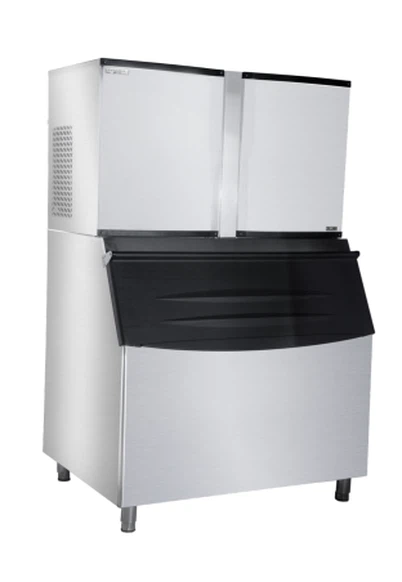
How Does The Laboratory Ice Machine Make Ice?
Leave a message
How does the laboratory ice machine make ice?
Ice types are different, and the ways of ice production are also different.
Ice cube machines used in milk tea shops and cafes will use ice trays to make cube ice;
How is that finely crushed snowflake ice, which is often used in laboratories to assist the "ice bath"?
How does the laboratory ice machine make ice?
1. Send water first
There is refrigerated water in the water storage tank of the laboratory ice machine. After starting up, the water pump will "push" the refrigerated water cycle to the plate or grid evaporator.
2. Compressor work
After the water enters the evaporator, the compressor starts to run, and after suction, compression, exhaust, condensation, and throttling, it enters the evaporator again and evaporates at a low temperature of -10°C to 18°C to absorb heat and gasify.
3. Freezing
The frozen water that absorbs heat and vaporizes condenses into ice on the surface of the evaporator, and the thickness of the ice layer increases.
4. Deicing
After the ice reaches a certain thickness and the evaporation temperature of the refrigerant reaches the temperature control setting, the defrosting solenoid valve is automatically turned on to de-ice in the form of a heat pump. The remaining frozen water enters the next cycle.
The laboratory ice machine makes ice, starting from frozen water, which is processed by the compressor and condenses into ice on the surface of the evaporator. When the ice reaches a certain thickness, the defrosting solenoid valve works to "push out" the ice to complete the entire ice making process.