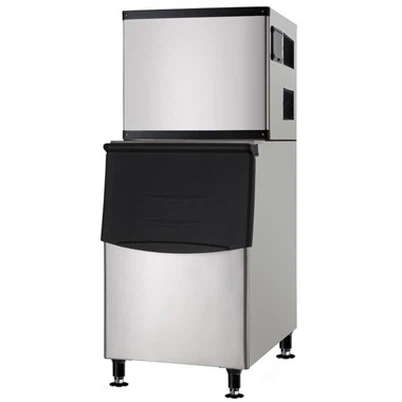
What is the working principle of the ice machine
Leave a message
An ice machine is a refrigeration mechanical device that generates ice after water is cooled by the refrigerant of the refrigeration system through an evaporator. According to the different principles of the base generator and the generation process, the shape of the generated ice is also different. Generally, according to the shape of the ice, ice machines are divided into granular ice machines, flake ice machines, plate ice machines, tube ice machines, shell ice machines, etc. wait.
Commonly used small ice machines are mainly composed of control boxes, temperature controllers, heaters, sensors and ice making containers, and the control box is the core component.
A complete ice-making process is divided into four steps: water injection, ice making, heating, and ice separation. The compressor is powered on, suction, compression, exhaust, condensation (liquefaction) and throttling.
- Evaporation, heat absorption, vaporization, forming a low temperature of -18C~10C at the evaporator, so the frozen water flowing through the surface of the evaporator condenses into an ice layer. When the ice layer freezes to a certain
Thickness, after the evaporation temperature of the refrigerant reaches the set temperature of the thermostat, the goose removal solenoid valve is energized, and the ice is deiced by hot springs, and then the next round of ice making is carried out.