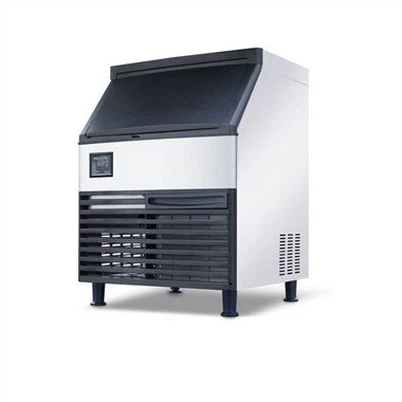
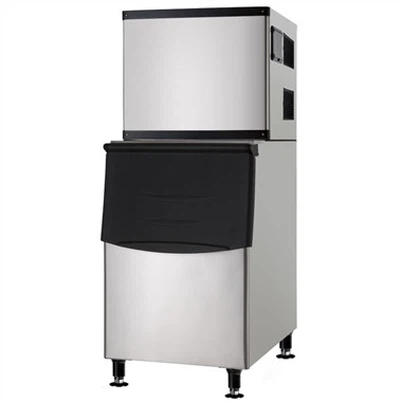
Air-cooled flake ice machine explanation
Leave a message
Generally, when using an air-cooled condenser, the condensation temperature is 7°C~12°C higher than the ambient temperature, and this value of 7°C~12°C is called the heat exchange temperature difference. The higher the condensation temperature, the lower the cooling efficiency of the refrigeration device, so we must control the heat exchange temperature difference not to be too large. However, if the temperature difference of heat exchange is too small, the heat exchange area and circulating air volume of the air-cooled condenser must be larger, and the cost of the air-cooled condenser will be higher. The maximum temperature limit of the air-cooled condenser should not be higher than 55°C, and the minimum temperature should not be lower than 20°C. Generally, it is not recommended to use air-cooled condensers in areas where the ambient temperature exceeds 42°C. Therefore, if you want to choose an air-cooled condenser, you must first confirm the ambient temperature around the work. Generally, when designing an air-cooled flake ice machine, customers are required to provide a higher temperature for the working environment. Air-cooled condensers cannot be used where the ambient temperature exceeds 40°C.
The advantage of the air-cooled flake ice machine is that it does not require water resources and has low operating costs; it is easy to install and use, and does not require other supporting equipment; it can be put into operation as long as it is connected to the power supply, and it will not pollute the environment; it is especially suitable for severe water shortages or Areas with water shortages.
The disadvantage is that the cost is high; the condensing temperature is high, which will reduce the operating efficiency of the air-cooled flake ice unit; it is not suitable for areas with dirty air and dusty climate.